Promotional “$99” air duct cleaning offers look appealing but often omit core services or add fees later. This article summarizes realistic costs, what a proper cleaning includes, risks of bargain work, and how to pick a reputable air duct cleaning company in Massachusetts.
Key Takeaways
- Low-priced $99 offers often exclude comprehensive services and lead to hidden fees.
- Professional cleaning uses negative pressure systems, HEPA-filtered vacuums, and full duct inspections.
- Comprehensive cleaning covers ductwork inspection, vent cleaning, and sanitization to improve indoor air quality.
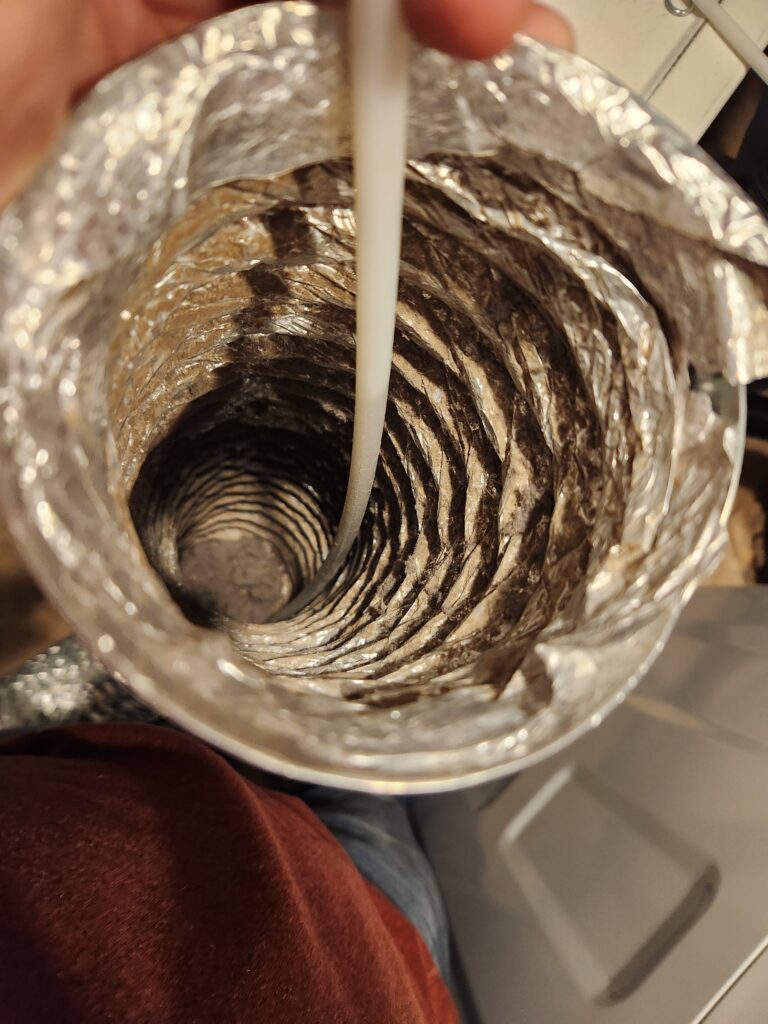
- Dryer vent cleaning removes lint buildup, reducing fire risks and improving efficiency.
- Cheap services risk inadequate cleaning, hidden charges, and duct damage.
- Choose NADCA-certified companies with clear estimates and good reviews.
- Legitimate full-service cleaning commonly costs $300–$700.
Understanding the true costs associated with low-priced air duct cleaning services, particularly the “$99 Special,“
Many “$99 specials” cover only a few vents and exclude key steps. A full, standards-based duct cleaning for a typical home normally falls in the $300–$500 range. Bait-and-switch pricing is common; know the scope before you hire.
What Does Professional Air Duct Cleaning Include?
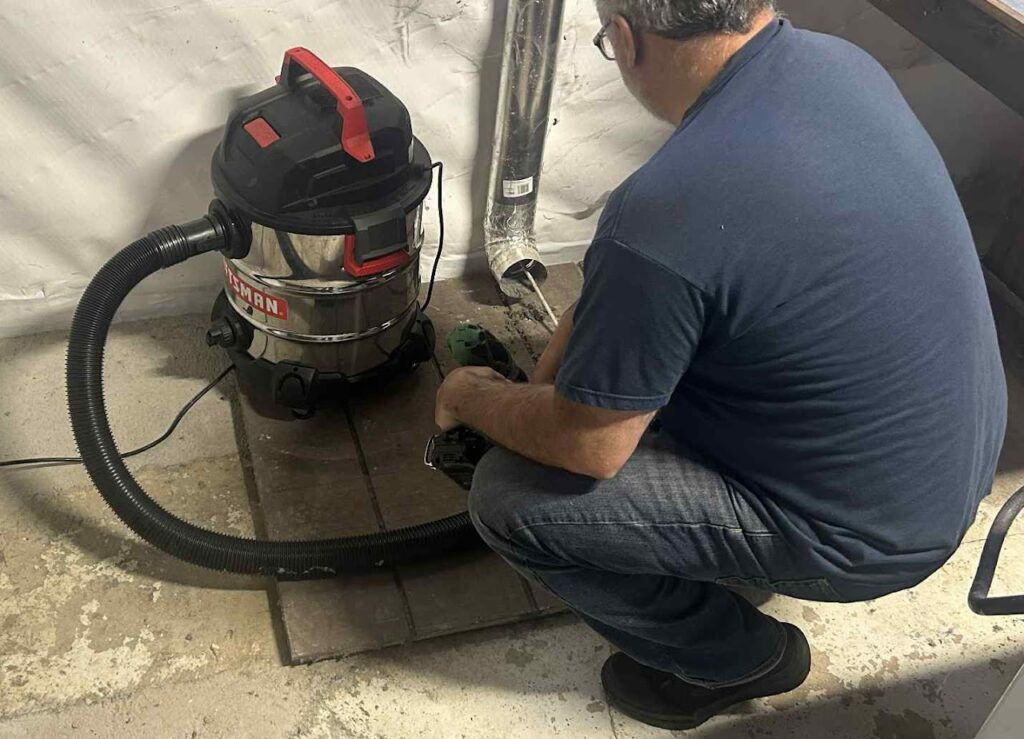
Professional cleaning follows defined procedures to protect HVAC performance and indoor air quality. Technicians remove dust and debris, inspect ductwork, and use equipment that prevents contaminant reintroduction into the home.
- Negative Pressure System: A high-powered vacuum attached to the main trunk to draw debris out of the network.
- Specialized Equipment: HEPA-filtered vacuums and tools capture allergens and particles effectively.
- Thorough Inspection: Technicians check ducts for damage, blockages, and points that need repair.
Which Services Are Covered in a Comprehensive Cleaning?
Comprehensive cleaning targets contamination removal and system integrity through inspection, vent/register cleaning, and optional sanitization where needed.
- Inspection of Ductwork: Identify blockages or damage that hinder airflow.
- Cleaning of Vents and Registers: Remove visible dust and debris at outlets.
- Sanitization: Apply safe agents when mold or microbial issues are present.
When performed by trained technicians using appropriate tools, these tasks support efficient HVAC operation and better indoor air quality.
How Does Dryer Vent Cleaning Complement Air Duct Maintenance?
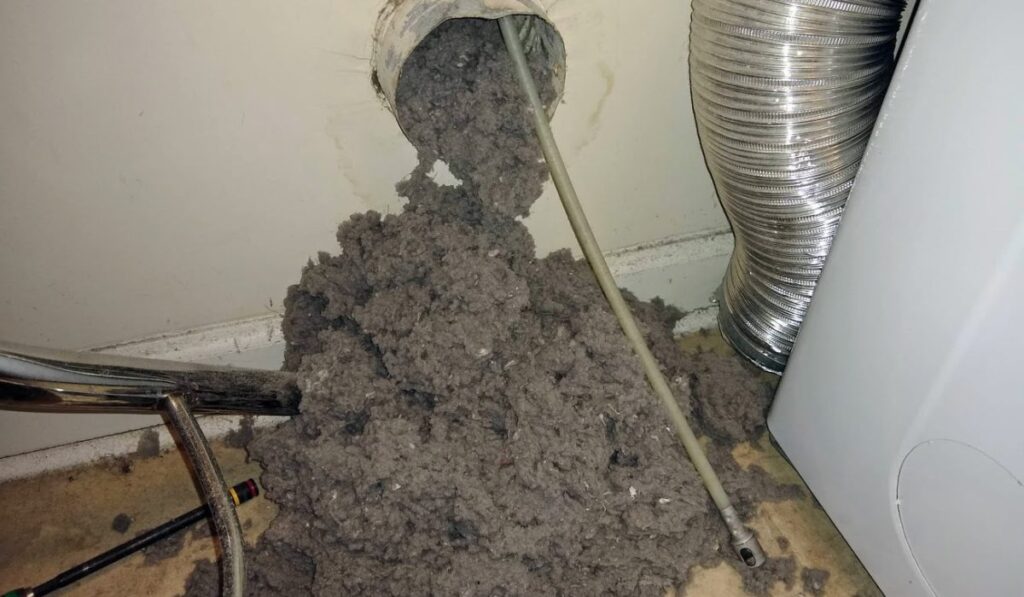
Dryer vent cleaning removes lint that can cause fires and restrict airflow. Maintaining both dryer vents and ductwork improves appliance efficiency and reduces fire risk and energy waste.
Why Is the $99 Air Duct Cleaning Offer Often a Scam?
Very low advertised prices typically signal limited service or expected add-on charges. Companies may omit essential procedures from the headline price and invoice for “necessary” extras once on site.
This deceptive practice, known as a bait-and-switch scam, remains a persistent issue across industries, as documented in industry research.
Bait-and-Switch Scams: A Persistent Marketing Problem While the FTC has enforced laws and reduced many scams, bait-and-switch remains a persistent marketing tactic that continues to appear in the marketplace. Bait & switch: Corporate makeover or destroyer, B Nwaorgu, 2018
What Are the Common Risks of Cheap Air Duct Cleaning?
Inexpensive services can leave contaminants in place, add surprise fees, or damage ductwork. These outcomes undermine air quality and may require costly repairs.
- Inadequate Cleaning: Dust and allergens remain when equipment or procedures are insufficient.
- Hidden Fees: Extra charges for work that should be standard are common.
- Potential Damage: Poor technique can puncture or disconnect ducts, creating leaks and inefficiency.
How Do Incomplete Cleanings Lead to Fire Hazards and Costly Repairs?
Leftover lint or heavy dust restricts airflow and raises fire risk in dryers and HVAC systems. Reduced airflow forces equipment to work harder, which accelerates wear, increases energy use, and raises repair or replacement costs.
How to Choose a Trusted Air Duct Cleaning Company in Massachusetts
Use objective criteria to evaluate contractors and avoid low-quality offers.
- Check for Certification: Prefer NADCA-certified firms.
- Read Reviews: Look for consistent positive feedback and problem resolution.
- Request a Detailed Estimate: Get a written scope listing included tasks and any possible extras.
These steps reduce the chance of being upsold and help ensure standards-based service.
What Pricing Transparency Should Customers Expect?
Legitimate providers give clear, itemized pricing. Expect full-service cleaning to generally cost $300–$700 depending on house size and complexity; combined services (ducts + dryer) are higher but often discounted.
Which Credentials and Reviews Indicate Reliable Service?
Look for industry credentials and steady positive reviews as evidence of consistent workmanship and professionalism.
- NADCA Certification: Signifies adherence to national industry practices.
- Positive Customer Feedback: Good ratings on Google/Yelp indicate reliability.
- Experience: A proven track record suggests competence and consistent results.
What Are the Benefits of Professional Air Duct and Dryer Vent Cleaning?
Professional maintenance yields clear benefits when done correctly:
- Improved Indoor Air Quality: Reduces allergens and airborne contaminants.
- Increased Energy Efficiency: Cleaner ducts let HVAC systems run with less resistance.
- Extended Equipment Lifespan: Proper care reduces premature failures.
These advantages usually outweigh the cost of a full professional service compared with cheap, incomplete work.
How Does Proper Cleaning Improve Indoor Air Quality and Safety?
Thorough cleaning removes particulates and microbial growth, reducing respiratory irritants. Regular dryer vent maintenance lowers lint-related fire risk and supports a safer home environment.
In What Ways Can Professional Cleaning Save Money Long-Term?
Restored system efficiency lowers energy bills and reduces strain on components, decreasing repair frequency and delaying costly replacements. Avoiding inadequate services prevents paying twice for corrective work.
| Service Type | Description | Average Cost |
|---|---|---|
| Air Duct Cleaning | Comprehensive cleaning of ductwork to remove dust and allergens | $300 – $700 |
| Dryer Vent Cleaning | Removal of lint buildup to prevent fire hazards | $100 – $300 |
| Combined Service | Discounted rate for simultaneous air duct and dryer vent cleaning | $400 – $900 |
Frequently Asked Questions
What should I look for in an air duct cleaning service?
Choose NADCA-certified companies, read reviews, and insist on a written, itemized estimate that lists equipment and tasks.
How often should I have my air ducts cleaned?
Typically every 3–5 years; more often if you have pets, allergies, high dust, or recent renovations.
Can I clean my air ducts myself?
DIY cleaning rarely matches professional results and risks damaging ducts; certified technicians use purpose-built equipment.
What are the signs that my air ducts need cleaning?
Visible dust at vents, persistent musty odors, increased dust buildup, or worsening allergy symptoms suggest an inspection is warranted.
Are there any health benefits to cleaning air ducts?
Yes—removing dust, allergens, and microbial growth can reduce airborne irritants, benefiting those with asthma or allergies.
What should I expect during a professional air duct cleaning?
Technicians inspect the system, use HEPA-filtered vacuums and negative pressure systems, clean vents/registers, and may sanitize; the job can take several hours depending on home size.
How can I avoid scams when hiring an air duct cleaning service?
Verify certification, read multiple reviews, get a detailed written quote, and be wary of very low upfront prices that omit key services.
Conclusion
Avoid the $99 trap by prioritizing certified, transparent providers that follow industry standards. Investing in a full professional cleaning improves air quality, energy efficiency, and equipment life while reducing the risk of hidden costs and safety hazards.